The Problem We’ve All Been Living With
For years, we’ve been jamming sidecars into Kubernetes pods using a hack. You know the one. You define your main container, then you add another container to the spec, and you pray the orchestrator starts it at the right time and shuts it down in the right order. Sometimes it works. Sometimes your logging sidecar exits before your app finishes its graceful shutdown. Sometimes your service mesh proxy hasn’t warmed up yet when traffic starts flowing. We’ve all been there, and we’ve all built workarounds on top of workarounds.
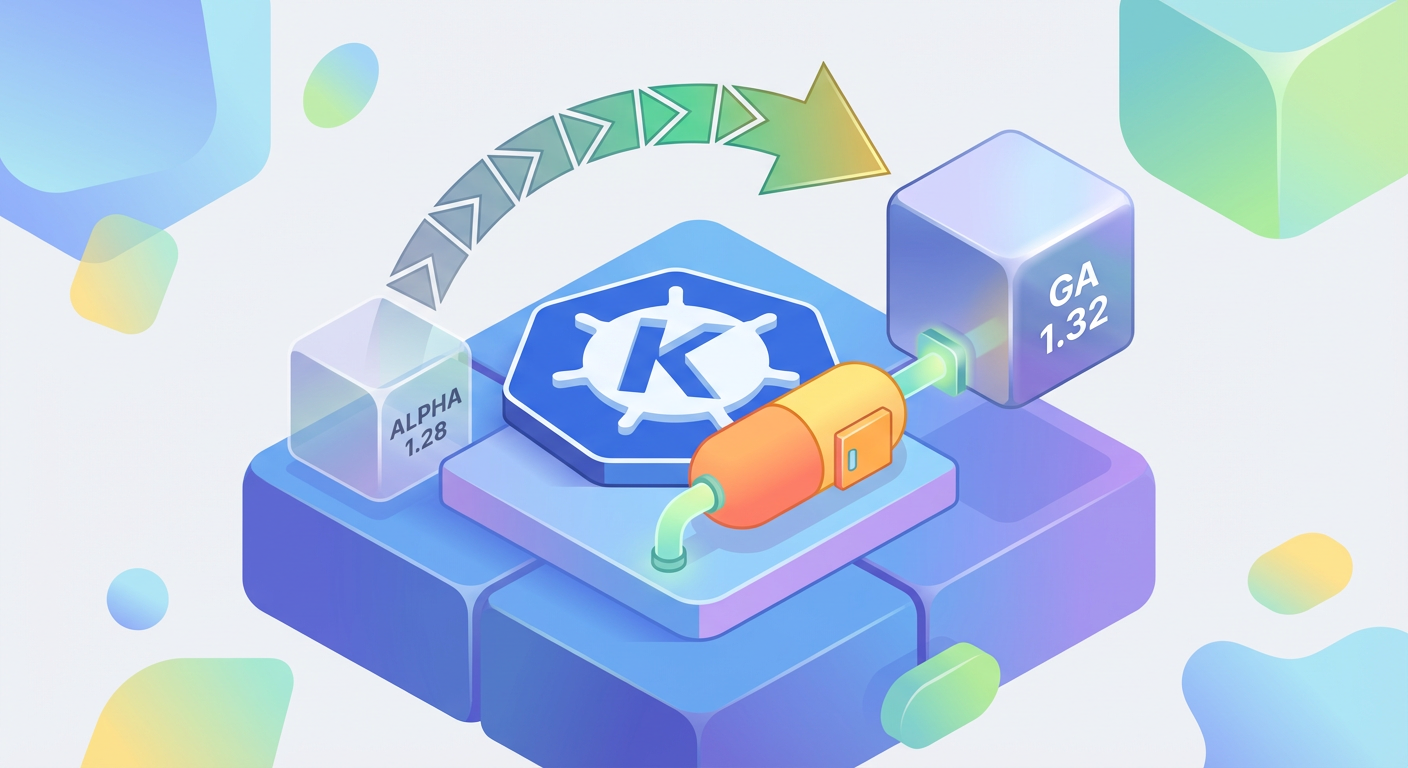
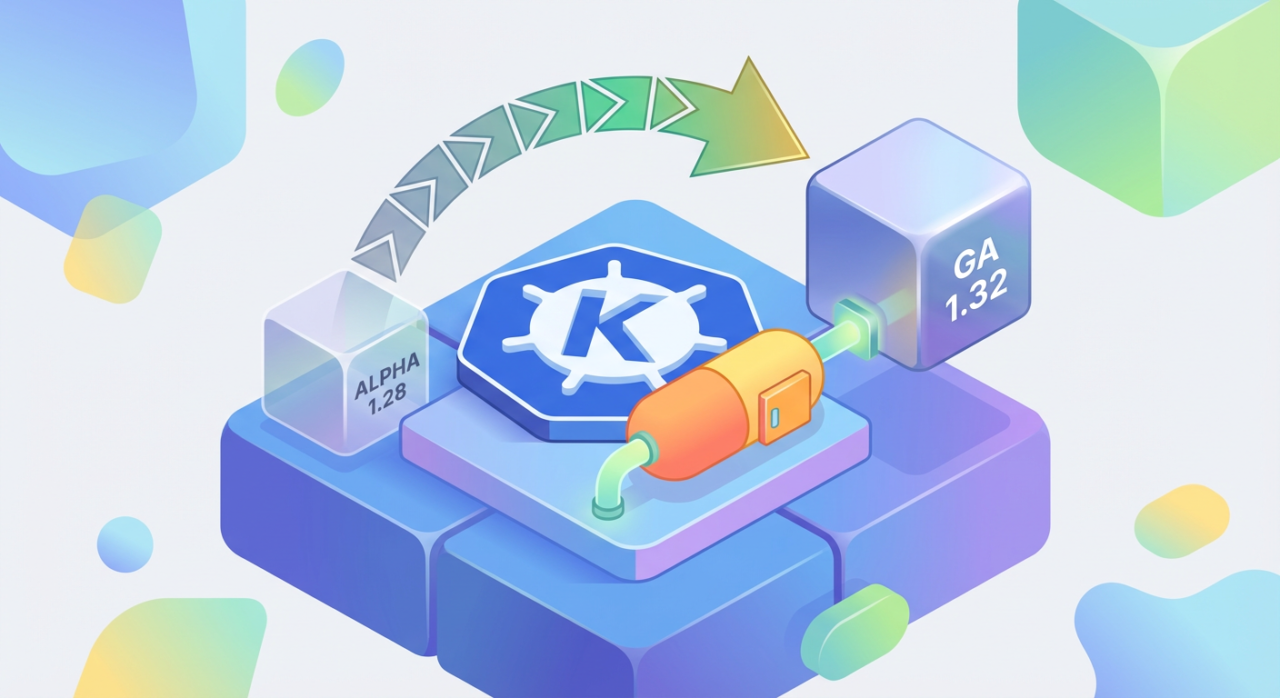
Kubernetes 1.32, released in December 2024, moves native sidecar container support to General Availability. This isn’t a minor feature bump. The platform is finally acknowledging what we’ve been doing in production for half a decade and giving us a proper mechanism to do it right. The feature first landed as alpha in version 1.28 back in August 2023, which means the Kubernetes team has had over a year to stress-test this in real environments. That matters.
What Actually Changed Under the Hood
The technical shift is straightforward but meaningful. Instead of treating sidecars as regular containers that happen to run alongside your main workload, Kubernetes now has a dedicated field with explicit lifecycle semantics. You declare a sidecar using an initContainers field with a restartPolicy set to Always. That sounds like a small thing. It isn’t.
What this means in practice: your sidecar starts before your main container. It stays running while your main container does its work. When your main container exits, the sidecar gets a grace period to clean up and then terminates. No more race conditions where your mesh proxy shuts down mid-request. No more logging sidecars missing the final moments of your application’s lifecycle. The kubelet now understands the intended behavior and enforces it.
This is the kind of thing that sounds obvious in retrospect. Of course the platform should understand that some containers in a pod have a different lifecycle than others. Of course it should coordinate their startup and shutdown. But getting there required the Kubernetes project to fundamentally reconsider how they model pod lifecycle, and that takes time.
Real Impact: Performance and Reliability Numbers
The Istio team published data earlier this year showing that native sidecar support cuts pod startup latency by up to 50 percent in high-churn environments compared to the legacy injection model. That’s not theoretical. That’s measured in production clusters handling real traffic. When you’re running thousands of pods and they’re turning over regularly, a 50 percent reduction in startup time translates to real resource savings and faster scaling behavior.
The performance gains are almost secondary to what happened with reliability, though. Linkerd’s maintainers ran benchmarks in early 2025 and found that Kubernetes-native sidecar lifecycle management eliminated an entire class of race-condition bugs that had caused roughly 8 percent of their reported production issues throughout 2024. Eight percent. That’s not noise. That’s the kind of problem that kept on-call engineers up at night because it was intermittent and hard to reproduce.
These aren’t marginal improvements for edge cases. This is foundational infrastructure getting fixed. The service mesh ecosystem depends on reliable sidecar injection and lifecycle management. When that works smoothly, everything downstream gets more stable.
Why This Matters for Service Mesh and Beyond
Service mesh adoption continues to climb. The CNCF Annual Survey 2025 shows that 52 percent of respondents are now running a service mesh in production, up from 42 percent just two years ago. That’s a massive shift. And service meshes live and die by their sidecar injection model. If injecting a proxy into every pod is fragile or slow, the entire value proposition gets compromised.
Native sidecar support doesn’t just benefit Istio and Linkerd. It raises the floor for any system that needs to colocate helper processes with application workloads. Observability agents, security policy enforcement, custom runtime hooks. All of these patterns become more reliable when the platform understands them natively.
The broader point: this is what happens when a platform matures. Early Kubernetes had to be flexible and minimal. Over time, you accumulate patterns that prove themselves in production, and then you bake them into the platform itself. Native sidecars represent that evolution.
The Adoption Curve and What to Expect
GA status doesn’t mean instant adoption. You’ll see enterprises cautiously updating their service mesh configurations throughout 2025. Some will wait for patch releases to stabilize the feature further. Others will run native sidecars alongside their existing injection models for months while they validate the behavior matches their expectations. That’s fine. That’s how production infrastructure moves.
The Kubernetes 1.32 Release Notes confirm the feature is stable enough for production use, but stable and immediately adopted are different things. Expect to see ecosystem tooling catch up gradually. Mesh operators and Helm charts will update their defaults. Operators already running 1.32 will test the feature in staging environments first.
This is also a moment to audit your own infrastructure. If you’re running a service mesh or any sidecar-based workload, 1.32 is a reasonable point to start planning a migration. Run some tests in a non-critical cluster. Measure the behavior. Compare it to what you’re running now. The data will tell you whether the investment in upgrading is worth it for your specific environment.
The Skeptic’s Final Assessment
I’ve been skeptical of many Kubernetes features that seemed overengineered or premature. This one earned my respect. The Kubernetes team took something we were all doing badly and turned it into something we can do reliably. That’s the core job of an orchestration platform, and they got it right.
Native sidecars won’t solve every problem you have with Kubernetes. They won’t make your poorly-designed services any better. But they will remove a category of bugs and performance issues that have accumulated over years of workarounds. In infrastructure work, that’s worth a lot.
Have you started testing native sidecars in your environment? What’s your migration timeline looking like? The conversation around how teams actually adopt this feature is still developing, and real-world experience matters more than any benchmark or release note.